HELMETS / ARTICLE
Safest Motorcycle Helmet in 2026
Ultimate Guide to the Safest Motorcycle Helmet in 2026
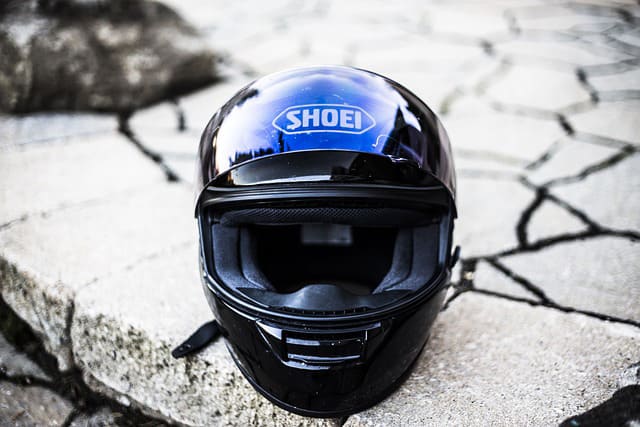
Motorcycle helmet technology took major leaps in 2024 and early 2026. ECE 22.06-certified lids are now widely available in North America, new slip-plane systems are becoming standard even on mid-range helmets, and brands are refining comfort without sacrificing crash performance. Because the stakes are literally life and death, your helmet remains the single most important piece of protective equipment you can buy. This refreshed 2026 guide highlights the certifications, materials, and standout models that give you the best possible protection on the street or track.
Motorcycle Helmet Safety Standards
 Before exploring the safest motorcycle helmets, it’s essential to understand the safety standards set by different organizations worldwide, as they play a crucial role in helmet safety. The biggest shift for 2026 is the widespread adoption of the ECE 22.06 protocol, which adds higher-speed impacts and rotational testing compared with the outgoing 22.05 benchmark. Riders in the United States are finally seeing 22.06-compliant helmets thanks to expanded distribution from Shoei, Arai, and AGV.
| Certification | What It Tests |
|---|---|
| DOT Standard | The DOT (Department of Transportation) standard is a self-regulated guideline for helmet manufacturers in the United States. Helmets must meet DOT standards to be legal in the US. |
| Snell Standard | The Snell Memorial Foundation provides a rigorous impact replication test with two strikes to the same spot to determine helmet safety. The latest M2020 rating remains a mark of top-tier performance. |
| ECE 22.06 | The ECE (Economic Commission for Europe) 22.06 standard adds higher velocity impacts, angled anvil tests, and stricter shell rigidity checks carried out by third-party labs. |
| FIM FRHPhe-02 | The FIM (International Motorcycling Federation) standard now applies to premier-class competition helmets and will be compulsory for all FIM racing categories in 2026. |
| SHARP Standard | The UK-based SHARP program provides a comparative rating system for motorcycle helmets, indicating their level of protection in a variety of crash scenarios. |
The Role of Helmet Material in Safety
The materials used in a helmet’s construction play a significant role in its safety. Helmets are typically made from polycarbonate, fibreglass, carbon fibre, or a blend of all three. Each material has its strengths and weaknesses regarding impact absorption and distribution.
- Polycarbonate shells keep prices low while still meeting DOT or ECE requirements. Manufacturers increasingly reinforce budget shells with internal ribs or multi-density EPS to pass 22.06.
- Fibreglass composite remains the sweet spot for most riders. The strands fracture to spread impact energy before it reaches the liner, and newer resins let brands trim weight without sacrificing strength.
- Carbon fibre hybrids are the lightest and most rigid shells. For 2026 we’re seeing layups that blend carbon with aramid or flax fibres to improve crack resistance while keeping weights under 3.3 lb for most sizes.
Additional Safety Features
While the primary purpose of a helmet is to protect your head, certain additional features can enhance your safety on the road. Prioritize the following options when searching for the safest motorcycle helmet:
- Visor and eye protection – Choose a helmet with an optically correct shield, Pinlock-ready posts, and a large field of view. Photochromic or transition-style shields are showing up on more mid-range helmets this year.
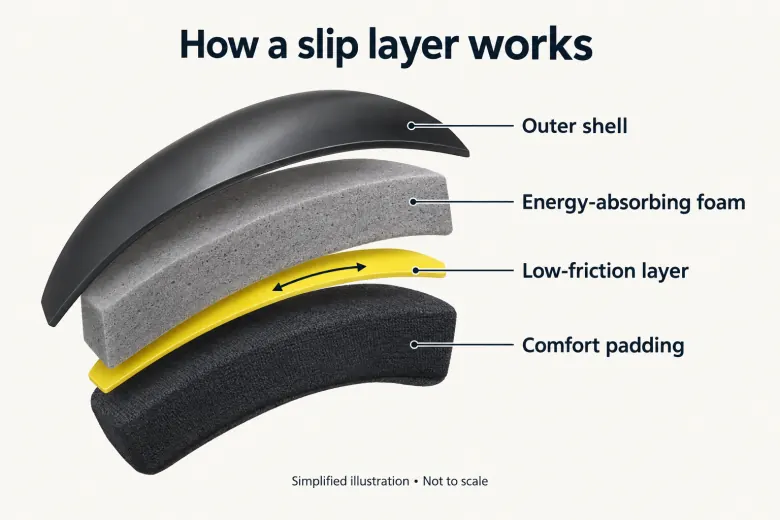
- Impact-reduction technology – Advanced slip-plane systems such as MIPS, RHEON, or Alpinestars’ Fluid Inside aim to reduce rotational forces that cause concussions during angled impacts.
- Emergency release systems – Cheek-pad pull tabs, breakaway visors, and quick-release chin straps help first responders remove a helmet without aggravating injuries.
- Integrated smart features – Many 2026 helmets include Bluetooth communicator recesses, speaker pockets, and even factory-fit systems like Shoei’s SRL-EXT so you don’t have to compromise the shell to add tech.
- Visibility enhancements – Reflective trims, high-viz colorways, and integrated LED position lighting (seen on the LS2 Advant X Carbon) increase conspicuity in traffic.
Safest Option & MIPS Technology
Full-face helmets offer the most protection among all types of lids. They cover the base of the skull, the chin bar, and the jaw—areas exposed in other helmet styles. Modular helmets with dual-homologation (P/J) ratings are improving, but a traditional full-face still leads the field for outright protection.
Mips systems are designed to reduce rotational motion transferred to the head in certain angled impacts. In the Mips Essential Core design, a low-friction layer sits between the comfort padding and energy-absorbing liner. The illustration above explains that arrangement; it is not a cutaway of a specific helmet, and other helmet designs vary.
Debunking Common Myths about Motorcycle Helmets

With numerous misconceptions surrounding motorcycle helmets, it’s important to separate fact from fiction. Let’s address some common myths and provide the correct information:
Myth 1: Helmets Restrict Visibility
Contrary to popular belief, modern motorcycle helmets offer excellent visibility. Manufacturers design shells with wide visor apertures and anti-fog coatings to keep your sightlines clear in all weather conditions.
Myth 2: Helmets Cause Neck Injuries
The latest helmets balance weight and aerodynamics to reduce buffeting. A good fit spreads the load across the crown so the helmet feels lighter in motion and does not increase neck injury risk.
Myth 3: Helmets Are Uncomfortable
Modern helmets are engineered with moisture-wicking liners, customizable padding, and refined vent schemes that keep long-distance riders fresh.
Safest Motorcycle Helmets in 2026
Shoei RF-1400 (ECE 22.06)
Shoei RF-1400
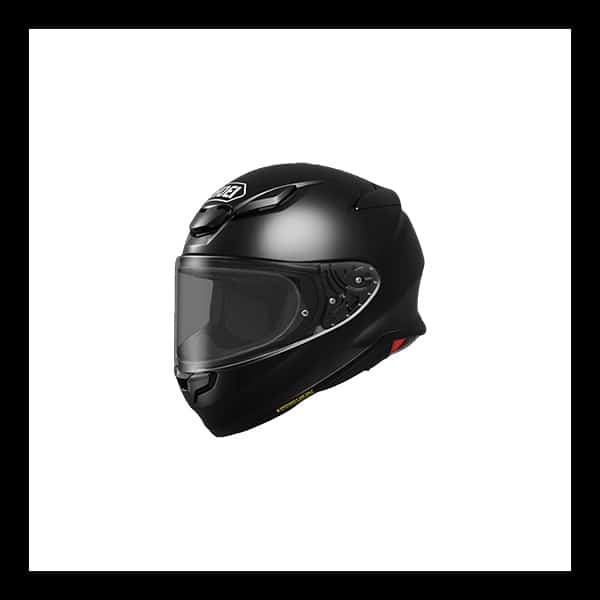
Shoei’s flagship full-face now ships to North America with ECE 22.06, SNELL M2020, and an updated CWR-F2 shield system.
XpertRider partners with retailers like revzilla. We may earn a commission if you purchase through our links at no extra cost to you.
Arai Corsair-X Kei Edition
Arai Corsair-X 🔍 Search
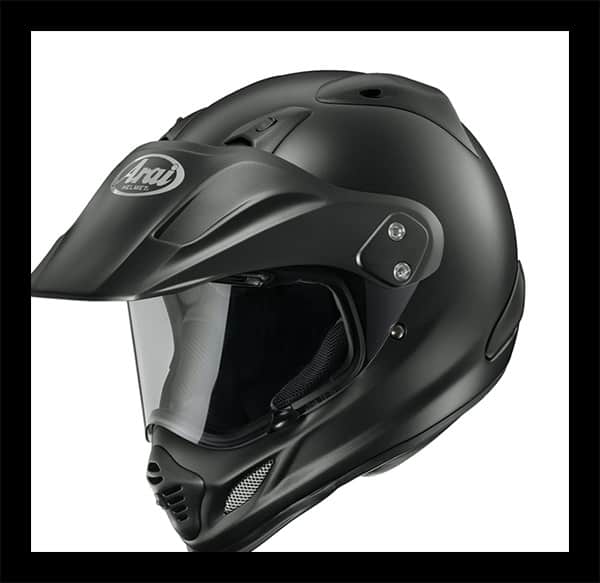
Handmade shell, Variable Axis System shield, and FIM FRHPhe-02 homologation make this the safest track-focused option.
XpertRider partners with retailers like amazon. We may earn a commission if you purchase through our links at no extra cost to you.
AGV K6 S
AGV K6 S
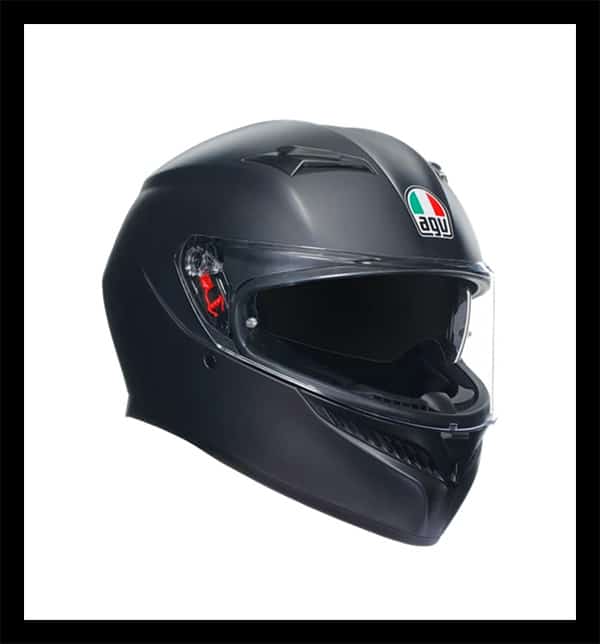
Ultra-light carbon-aramid shell with 5-density EPS, renewed vent scheme, and ECE 22.06 certification for spirited street riding.
XpertRider partners with retailers like revzilla. We may earn a commission if you purchase through our links at no extra cost to you.
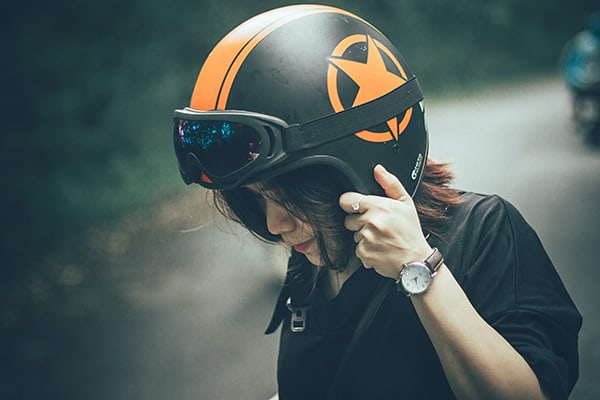
Bell Race Star Flex DLX
Bell Race Star Flex DLX 🔗 Short Link
ProTint photochromic shield, Flex impact liner with multi-density slip planes, and lightweight 3K carbon shell.
XpertRider partners with retailers like amazon. We may earn a commission if you purchase through our links at no extra cost to you.
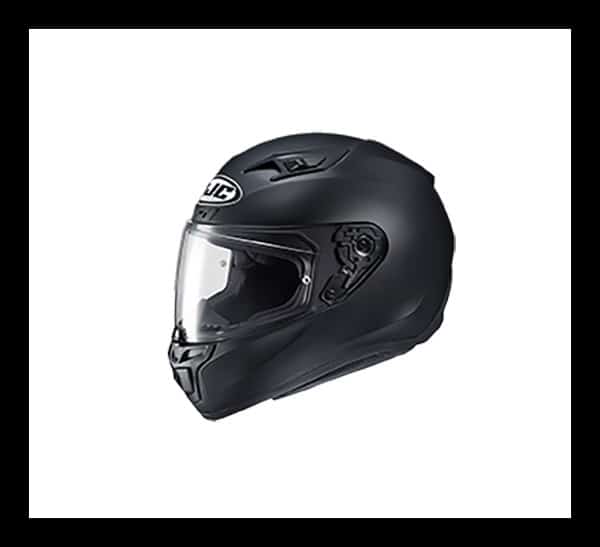
HJC RPHA 71
HJC RPHA 71
Touring comfort meets sport stability with a PIM+ shell, second-generation sun shield, and SMART HJC 50B/21B communicator readiness.
XpertRider partners with retailers like revzilla. We may earn a commission if you purchase through our links at no extra cost to you.
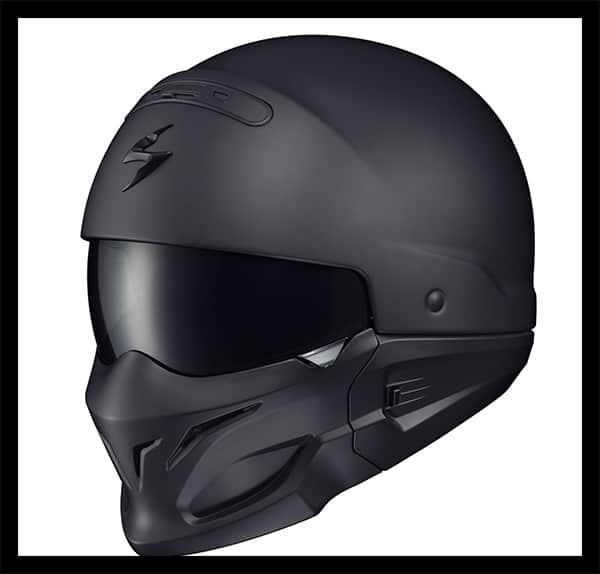
Scorpion EXO-R1 Air Carbon
Scorpion EXO-R1 Air Carbon
Track-developed carbon shell with AirFit cheek-pad bladders, tear-off-ready shields, and FIM approval at a mid-range price.
XpertRider partners with retailers like revzilla. We may earn a commission if you purchase through our links at no extra cost to you.
Choosing the safest motorcycle helmet is a crucial decision that can significantly affect your safety on the road. Understand the standards, insist on a perfect fit, and pick the shell technology that matches how and where you ride. Remember, investing in a high-quality motorcycle helmet is not an expense—it is the smartest risk management you can make in 2026.
Frequently Asked Questions
How often should I replace my motorcycle helmet?
Can I use a bicycle helmet instead of a motorcycle helmet?
Should I buy a used helmet?
Are more expensive helmets safer?
Can I wear a helmet that has been dropped?
Can I customize my helmet with stickers or paint?
Published
Explore more helmets
KEEP EXPLORING