MAINTENANCE / GUIDE
Motorcycle Neutral Safety Switch: Diagnosis and Repair
Understand neutral, clutch and sidestand interlock symptoms, check the correct model manual, and prepare for repair without bypassing the system.
Motorcycle Neutral Safety Switch: Diagnosis and Repair
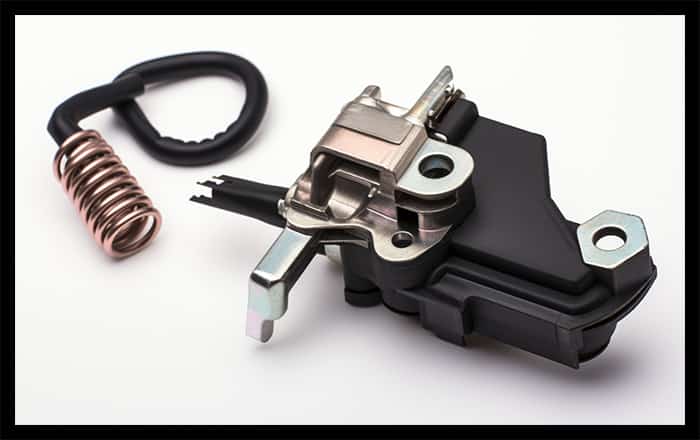
If you are looking for a neutral safety switch bypass because your motorcycle will not start, begin by identifying the symptom and finding the correct manual. A no-start problem alone does not identify a failed neutral switch. A bypass is not a repair, and this guide does not recommend defeating the starting interlock to get back on the road.
This is a guide to understanding symptoms and preparing for qualified diagnosis. It is based on manufacturer documents, not hands-on testing of your motorcycle.
What the neutral switch does
The neutral switch can work alongside separate clutch and sidestand switches. In Yamaha’s MT-03 / MTN320-A manual B9A-F8199-E0, first edition June 2017, all three form the ignition cut-off system. Its inspection chart expects a neutral start with the sidestand down. If a check fails, Yamaha directs dealer inspection before riding. See printed pages 3-23–3-24.
Starting in gear is not automatically evidence of a bypass. The 2025 Honda CB500F / CBR500R / NX500 manual, 31MLRB100, permits it with the clutch lever pulled in and sidestand raised. See printed page 82. These are model-specific examples, not instructions for testing another motorcycle.
Describe the problem before choosing a part
Use observations from the fault you already encountered. Do not deliberately try unexpected starting combinations to fill out a checklist.
- The starter does not turn the engine: record whether there is silence or a click, what the dash displays, and the control positions when it happened.
- The starter turns the engine but it does not fire: describe that separately from a starter that never operates.
- The neutral indication is absent or intermittent: tell the technician exactly what the display did. That observation alone does not identify the failed component or establish that the rest of the interlock works.
Honda’s 2025 manual, printed page 134, separates the first two symptoms. Its no-crank branch includes the starting sequence, stop switch, fuse and battery checks; persistent problems go to a dealer. This is why buying a neutral switch solely because the engine will not start can miss the actual problem. Follow your own manual’s troubleshooting section, including its limits on starting attempts.
Prepare for diagnosis and repair
Find the owner’s manual for the exact model, model year and market. Match the vehicle details rather than relying on a similar-looking motorcycle or a wire-color suggestion online. Ask a dealer to identify the applicable manual if you are unsure.
For a repair appointment, bring:
- The model/year, the symptom, and whether it is constant or intermittent.
- The neutral indication, clutch-lever and sidestand positions observed when the fault occurred.
- Any warning message and recent work around the controls or wiring, including a previous owner’s known modifications.
Ask the repairer to diagnose the complete interlock using the applicable service information and restore its intended operation. Owner’s-manual examples do not supply a universal switch location, connector pinout or electrical test specification. Leave electrical measurements, connector repairs and replacement decisions to someone equipped to follow that model’s service procedure. A successful engine start by itself is not a complete post-repair interlock check.
When to stop and arrange help
If the interlock fails its prescribed check, do not ride while waiting for diagnosis. If stranded, arrange recovery rather than bridging or cutting wires. Yamaha’s printed page 3-24 specifically requires dealer attention before riding after a malfunction; its chart is not permission to improvise a roadside bypass.
For stand-related symptoms, see kickstand safety switch diagnosis and repair.
Sources and limits
Manufacturer sources were reviewed on 13 October 2026. The Yamaha reference is the dated edition identified above; its publication year is not a verified model-year fitment for your bike. The Honda reference explicitly covers the listed 2025 models. Neither establishes how every motorcycle is wired, proves which part on your bike has failed, or certifies a repair. Use your motorcycle’s applicable manual and qualified assistance for that decision.
Published
Explore more maintenance
KEEP EXPLORING
More for your next ride
Maintenance Guide
Kickstand Safety Switch Problems: Diagnosis and Repair
A neutral start with the kickstand down can be normal. Understand model-specific interlock behavior, fault observations and when to arrange repair.
Read guide
Maintenance Guide
Motorcycle Winter Storage Checklist
Plan motorcycle winter storage around your owner's manual: fuel and stabilizer, battery chemistry, tires, engine care and checks before riding again.
Read guide